Why do headlights turn yellow and foggy?
Modern headlight lenses are polycarbonate, a tough plastic that needs protection from sunlight. From the factory, each lens carries a thin UV-resistant hard coat. Years of sun and road grit wear that coat away, and then the plastic itself oxidises. It goes yellow, then cloudy, then chalky. AAA’s 2018 research found lenses start to show this at around five years, give or take two. It also named ultraviolet exposure and abrasion by road grit as the main causes.
Pune gives lenses plenty of both: strong summer sun, open parking and dusty roads. The result isn’t just cosmetic. A yellow lens scatters and blocks light, so your low beam reaches less of the road just when you need it on an unlit stretch.
How does headlight restoration work?
A proper restoration removes the damaged layer and then replaces the protection:
- Mask the paint and trim around the lamp.
- Wet-sand the oxidised surface with progressively finer abrasives until the lens is evenly matt and the yellow is gone.
- Polish by machine until the lens is clear again.
- Seal with a UV-protective coat, because bare polycarbonate starts yellowing again quickly.
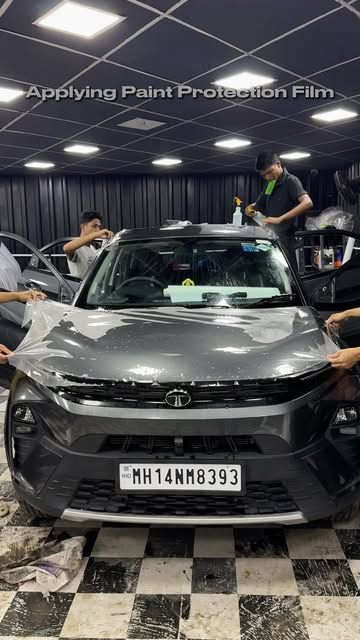
The last step is the one that separates a lasting job from a roadside polish. A pair typically takes 2–3 hours, and we confirm the time when you book. If you want extra insurance, clear PPF on the headlights adds a sacrificial, self-healing layer against stone chips and grit.
Restore or replace your headlights?
| Condition | Restore | Replace |
|---|---|---|
| Yellowing or haze on the outside | Yes | Not needed |
| Fine surface scratches | Yes | Not needed |
| Moisture or fog inside the lamp | No; needs resealing or replacement | Often |
| Burnt, peeling or dull reflector | No | Yes |
| Cracked or deeply crazed lens | No | Yes |
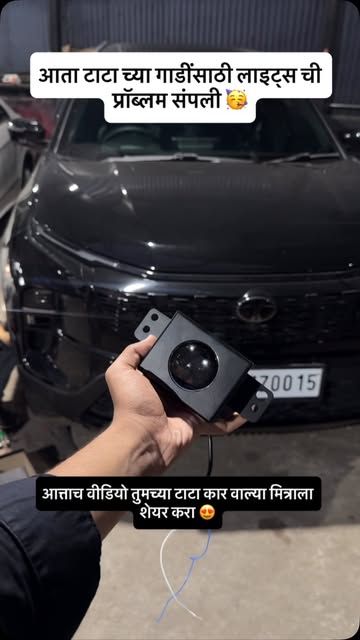
If you’re also thinking about brighter lights, restore the lens first. A clear lens makes any bulb work better. See LED headlights for upgrades with a road-appropriate white beam, aimed after fitting so oncoming drivers aren’t dazzled.
How do you restore kerb-rashed alloy wheels?
Peth lanes are narrow, kerbs are high and parallel parking is tight, so alloy wheels in central Pune take a beating. Kerb rash, corrosion creeping under the lacquer, and peeling or flaking finish are all cosmetic damage, and they can be put right.
The usual sequence:
- Clean and degrease the wheel.
- Sand out the damage and fill any gouges.
- Prime, apply colour matched to the original, and finish with a clear coat for gloss and protection.
First, though, we check every wheel for bends and cracks. A refinish makes a wheel look right; it doesn’t make a damaged wheel safe. A set typically takes 1–3 days depending on damage and finish, and we confirm the time when you book.
Paint, powder coat or diamond cut: which alloy finish?
| Finish | How it’s done | Strengths | Trade-offs |
|---|---|---|---|
| Paint (primer, colour, clear) | Sprayed and cured | Easy colour-matching, suits smaller repairs | Less chip-resistant than powder |
| Powder coat | Dry powder applied, then baked in an oven | Thick, tough, durable finish | Tyre off, full strip, harder to match an exact factory shade |
| Diamond cut (two-tone) | Face re-machined on a CNC lathe, then lacquered | Factory-bright machined look | Removes metal each time, so it can only be repeated a limited number of times |
Many popular SUVs and hatchbacks come with diamond-cut two-tone alloys from the factory. If the lacquer on a diamond-cut face chips, water creeps under it and the bare metal turns milky white, so don’t leave that kind of damage too long. We’ll look at your wheels and tell you honestly what each option involves.
Is windshield coating worth it for the Pune monsoon?
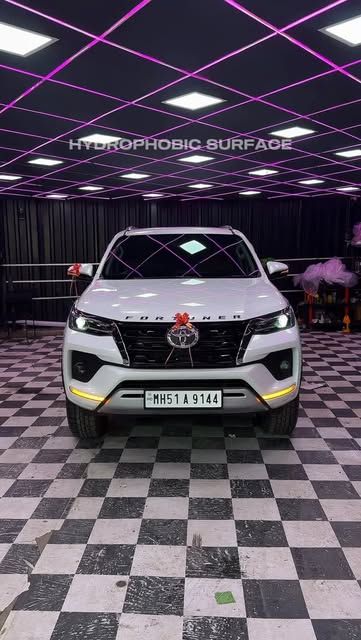
As an add-on, yes. A hydrophobic coating changes how water sits on the glass: instead of a smeared sheet, rain gathers into beads. At highway speeds, much of it blows clear before the wipers even sweep. It also makes dried bugs and grime easier to wash off. It is useful on the Expressway or the ghats in heavy rain, and on any night drive when the glass is streaky.
Be realistic about two things:
- Wipers wear it. The front glass loses its coating faster than the side windows, so expect to top it up after some months of hard monsoon use.
- It needs clean glass. The glass must be fully decontaminated before coating, and old, hardened wiper blades can judder on coated glass. Fresh blades fix that.
Ready to book?
WhatsApp us clear photos of your headlights or wheels in daylight, along with your car model. We’ll tell you whether restoration will work or replacement makes more sense, and send a quote. Add the windshield coating at the same visit if you like.