SaiMetro PinkStudio · Pune

Upgrade · Make it yours

Dashcam installation in Pune, wired out of sight with parking mode done right

Dashcam installation means mounting a front, or front-and-rear, camera and wiring it out of sight to your car's fuse box, with parking mode set to switch off before the battery runs low. It suits daily city drivers, highway commuters and anyone who parks on the street. A typical install takes 1–3 hours. We fit Qubo dashcams at our PinkStudio in Mangalwar Peth, Pune.

Updated

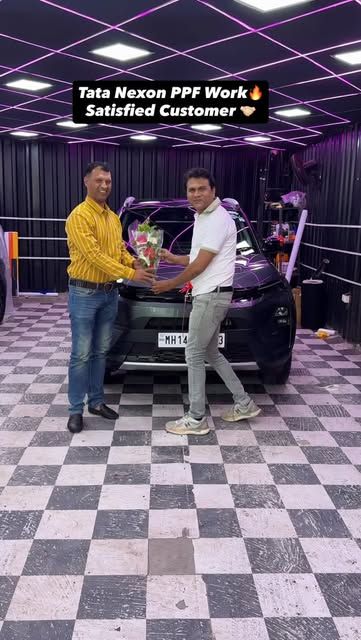
Tata Nexon PPF — happy customer handover
Typical install
1–2 hours front only; 2–3 hours front and rear
Dashcams we fit
Qubo front and front-and-rear models
Power
Hardwire kit to the fuse box, with low-voltage cut-off
Wiring
Hidden behind the headliner and pillar trims
Where
PinkStudio, Mangalwar Peth, Pune

Why it’s worth it

  • 01

    A record when you need one

    Clear footage of what happened helps with an insurance claim, a police complaint or a dispute after a scrape in traffic.

  • 02

    No dangling cable

    The wire runs inside the headliner and pillar trim to the fuse box. Nothing hangs across the windscreen or the dash.

  • 03

    Parking mode without a flat battery

    A hardwire kit with a low-voltage cut-off lets the camera watch your parked car, then switches it off before the battery runs low.

  • 04

    Made for summer heat

    Qubo's dashcams use a supercapacitor instead of a lithium battery, which copes better with a car parked in the sun.

  • 05

    Rear view covered too

    A front-and-rear setup records the car behind you as well, which matters in stop-go traffic and on the expressway.

Front only, or front and rear?

A dashcam is a small camera that records the road whenever the car is on, and sometimes when it is parked. Many people buy one after a near-miss or a scrape where it was their word against someone else’s. The first decision is how many cameras you need.

SetupRecordsBest forTypical install
Front onlyThe road ahead, plus audio if you enable itCity driving, first dashcam, tighter budget1–2 hours
Front and rearAhead and behindExpressway runs, stop-go traffic, rear-end disputes2–3 hours
Front, rear and cabinAlso inside the carCars with a driver, or shared family cars2–3 hours

We fit Qubo dashcams, which come in all three layouts. If you’re also getting an Android stereo with a reverse camera, both can be wired on the same visit.

Which dashcam features actually matter?

Spec sheets list a lot. These are the features that make a difference on Pune roads:

FeatureWhy it mattersWhat to look for
ResolutionReading number plates, especially of moving vehicles2K or higher at the front
Low-light sensorNight driving on unlit stretches and in rainA known image sensor, not just “night vision”
Field of viewCatching two-wheelers cutting in from the sideWide, without heavy fish-eye distortion
GPSSpeed and location stamped on the clipBuilt in, not an add-on
Phone app (Wi-Fi)Saving and sharing a clip at the roadsideQuick download to your phone
Parking modeRecording knocks and scrapes while parkedNeeds a hardwire kit

Hardwired or plug-in: how should your dashcam be powered?

Power methodParking modeHow it looksBattery risk
12V socket plug-inUsually no; most sockets switch off with the ignitionCable visible unless tucked awayNone
Hardwire kit to the fuse boxYesFully hiddenLow, when the cut-off is set right

A hardwire kit has two feeds. One is live only with the ignition, so the camera knows when you are driving. The other is always live, so it can record when parked. It connects through a fuse tap, so no factory wire is cut.

Will parking mode drain your car battery?

It can, if it is set up carelessly. In parking mode the camera wakes on motion or impact and draws a little current all the time. A proper hardwire kit watches the battery voltage and cuts power before it gets too low to start the car. Most kits let you choose the cut-off; 70mai’s UP06, for example, offers 11.8V, 12.1V or 12.4V on a 12V car.

How we set it:

  • Healthy battery, daily use: a standard cut-off works well.
  • Older battery, or a car that sits for days: a higher cut-off, or a timer that stops parking mode after a few hours.
  • Going out of town for a week: switch parking mode off in the app.

Heat ages car batteries, and a Pune summer is hard on them. If yours is more than a few years old, get it tested before you rely on parking mode.

Why does it matter where the wire goes?

A dashcam cable seems simple, but its route matters for safety. Many newer cars have curtain airbags along the roof edge and A-pillars. The cable must sit behind the airbag, never across the path it opens into. We also keep the camera clear of the ADAS camera and rain sensor, and away from your line of sight. Every wire is clipped so nothing rattles over speed breakers.

What should you do with footage after an incident?

Most dashcams lock a clip automatically when they sense a hard jolt, so the loop doesn’t record over it. If something happens without a jolt, press the event button if your camera has one, or lock the clip in the app. Then:

  • Save the clip to your phone through the app the same day.
  • Keep the original file unedited. Share copies, never the only version.
  • Tell your insurer you have footage when you report the claim.

Heat, cards and the Pune summer

A parked car’s cabin gets far hotter than the air outside in April and May. The small lithium batteries inside many cheap dashcams don’t like that heat. Qubo lists a supercapacitor across its range instead, which tolerates heat better. The other weak point is the memory card, which wears out from constant loop recording. A monthly format in the camera takes seconds and saves you from finding a corrupted card after an accident.

Ready to book?

Tell us your car’s model on WhatsApp, whether you want front only or front and rear, and whether you need parking mode. We’ll suggest a Qubo model and quote for a neat, hidden install at the PinkStudio in Mangalwar Peth.

How we do it

  1. 01

    Choose the camera

    Front only or front and rear, resolution, GPS and parking-mode support, matched to how and where you drive.

  2. 02

    Pick the mount spot

    Behind the rear-view mirror, inside the wiper sweep, clear of your line of sight and of any ADAS camera on the windscreen.

  3. 03

    Route the cable

    Tucked into the headliner and down the A-pillar behind the airbag, never across its path, to the fuse box.

  4. 04

    Hardwire and set the cut-off

    A fuse tap on a switched circuit and a constant circuit, a solid earth point, and a cut-off voltage set for your battery.

  5. 05

    Fit the rear camera

    Run along the headliner to the rear glass. On SUVs and hatchbacks it goes through the tailgate's rubber grommet.

  6. 06

    Set up and test

    Memory card formatted, date, time and GPS set, phone app paired, and a test clip played back with you.

Frequently asked

Hardwired or plug-in dashcam: which is better?

Plug-in is simpler: it runs from the 12V socket and, in most cars, switches off with the ignition. Hardwiring to the fuse box hides the cable, frees the socket, and is the usual way to run parking mode. For a permanent install, hardwiring is the cleaner choice.

Does dashcam parking mode drain the battery?

It draws a small current all the time the car is parked, so a hardwire kit needs a low-voltage cut-off. Most kits let you pick a level of roughly 11.8V to 12.4V. We choose a higher one for an older battery or a car that sits for days. Going away for a week? Switch parking mode off.

Which Qubo dashcam should I choose?

Qubo's range runs from single front cameras to front-and-rear sets of up to 4K, plus the three-camera Trio that also records the cabin. For most city drivers, a good front camera is enough. If you do a lot of highway or stop-go driving, add the rear. Message us your car and budget and we'll suggest a model.

Which memory card should I use in a dashcam?

Use a high-endurance microSD card made for constant recording, not a phone card. Dashcams record over the card in a loop, which wears ordinary cards out. Format it in the camera every month or so, and replace it if clips start to fail.

My car has ADAS. Can I still fit a dashcam?

Yes, but placement matters. Cars with ADAS have a camera behind the rear-view mirror. We mount the dashcam where it can't block that camera's view or the rain sensor, usually beside the mirror housing.

Will hardwiring a dashcam affect my car's warranty?

A fuse tap plugs into a fuse slot instead of cutting or splicing factory wiring, which is why it is the standard way to hardwire. Pulling the tap and the camera puts the car back as it was. If your car is under warranty, the dealer still has the final say on any electrical claim, so we keep the install fused, labelled and easy to remove.

How much does dashcam installation cost in Pune?

It depends on the camera, front only or front and rear, and whether you want parking mode. Send us your car model on WhatsApp for an exact quote. Or, in plain Marathi, *dashcam basvayla kiti kharch yeto?* Same answer: send the model and we'll reply with a quote.

Ready when you are.

Send your car model on WhatsApp. We'll reply with options, timing and a quote.